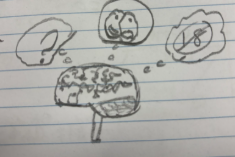

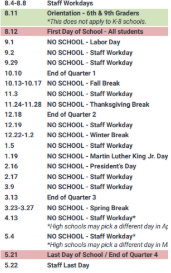
School breaks are a favorite among students. Being off school for a week or two and unburdened is a wonderful feeling. However, the days before a break are often grueling and tiresome for students. As well as those breaks, inevitably end and then students have to return to school. With a rusty memory of their school work and how to do it, because they haven’t used those skills in a week or two. This begs the question: how do school breaks affect students’ memories? And what can be done about it?
Teri King, one of the math teachers at Horizon, commented on her experiences with students before spring break, saying, “They perform well up until a couple of days right before spring break. Some of them mentally or physically check out on those days.” King also commented on her students after spring break stating, “It is a slow start. When they come back from spring break they are checked out on all school things so it takes a long time to get your brain started again.” This is to be expected as if you don’t use a skill for an extended period of time you are going to become worse at it. It takes time for the brain to get reengaged with any skill.
Jennifer Clancy, a forensics teacher at Horizon, made a point about the school cultural shift caused by COVID, remarking, “When I started teaching, they did a lot of work before break. They were well prepared. However, in the post-COVID years, I’ve noticed more and more students leave early to go on vacation, and more mentally check out as well as not doing much before a break.” We have seen this topic from a teacher perspective, but what about a student perspective?
Daniel Palacios, a junior at Horizon, commented his feelings before and after spring break, stating, “Before break, I feel dim and dull because break is almost here and it’s almost the end of the school year… After spring break, my memory was kinda choppy. I forgot like 30% of the school work I did before break.”
Xavier Hernamez, a senior at Horizon, also commented on his feelings before and after spring break saying,” Pretty bad, I have no motivation, especially since it’s senior year… After spring break, I actually felt like I had a better memory than before break. The break rejuvenated me.” Both of these quotes show the effects that breaks can have on students. So, what can be done to help curb the memory loss that some students experience after a break?
The most obvious solution is to do some studying and schoolwork during the break. Clancy recommends, “I would try to study, write things down if it is something important. I would say try to study a little bit every other day.” However, it also falls to the teachers to help students get out of the post-break fog. King commented on her teaching methods post spring break, saying, “ It is a slow start. Usually, the first day after break, we do boardwork at whatever we were doing before break.”
School breaks are times when students can take their minds off school and enjoy their lives outside of schoolwork. However, it wouldn’t be a bad idea to do a little bit of schoolwork and review material during the break. As well as teachers having the days after a break for reviewing material. It would help students have an easier time transitioning from a break ending and then having to return to school with their rusty memory.