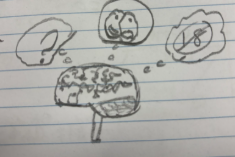


Winter is a lovely time of the year with a lot to look forward to. From the holidays and spending time with friends and family, to the fine joys of playing with snowmen, snowballs, and skiing and snowboarding. Winter is the favorite season of a lot of people, however, winter can be a time of sadness for many due to seasonal depression. With the winter season well underway, it brings up the questions: What causes seasonal depression? And how does it affect students and staff at Horizon?
Jonathan Hardinger, one of Horizon’s school psychologists, described seasonal depression as, “During the winter months of the year individuals become basically less happy, have less dopamine. There are a lot of different causes, a lot of people think it’s because of a lack of vitamin D. Vitamin D has a huge correlation with depression and dopamine levels and overall bodily health.” Along with the lack of Vitamin D, Hardinger discussed that another cause of seasonal depression is the lack of physical activity during the winter seasons due to the common advice to stay inside during the winter. Hardinger commented, “In the winter months we are more incentivized to stay inside and huddle up and not do anything until it’s warmer.”
Along with this, Hardinger also commented on his personal experiences with seasonal depression, “I would say I feel happier in the summer because I get to be outside. I wouldn’t necessarily correlate it to seasonal depression, but on average I’m sadder during the winter.”
The effects of seasonal depression, or lack thereof, vary from person to person. Micheal Muedeking, one of Horizon counselors, commented on his feelings during the winter by saying, “I grew up in an environment where winter was long and I got used to it. Plus, I was born in December and my family does a lot for the holiday season. All of these have helped me stay out of the winter funk.” Muedeking also commented on counseling students during the winter months, “In the winter I think students do have a tendency for it to be more emotional and social.”
Evan Washburn, a junior at Horizon, commented on winter depression saying,“ I don’t really feel sadder because winter is my favorite season, I like snow.” He also described going on consistent hikes or walks for his physical activity in the winter.
On the other hand, Ben Newberry, a freshman at Horizon, described his feelings in the winter saying, “I feel a little sadder because it’s cold, and I hate the cold.”
While seasonal depression is not the biggest issue at Horizon, it is still an issue worthy of attention, as well as depression in general is a major issue for students, in the words of Muedeking, “I think that student depression is an issue at every school because I think that right now. There are a lot of students affected by that because, when you think about your own life over the past five years you’ve been through a lot.”
So if someone is suffering from seasonal depression, what can they do about it? Well Hardinger gave some excellent advice by saying, “I would say try to emulate the things you do outside the winter months in winter and try to live a similar lifestyle year round. And I also would recommend talking to your doctor if it is something you’re experiencing. Vitamin D deficiency is a real thing and it’s correlated to depression.”
Muedeking also gave some advice by saying, “Try to spend time around people they enjoy being around instead of isolating themselves. Try to get outside as much as they can, get some sunlight and fresh air and be active.” Overall, winter/seasonal depression affects students and staff in a variety of ways, and sometimes not at all.