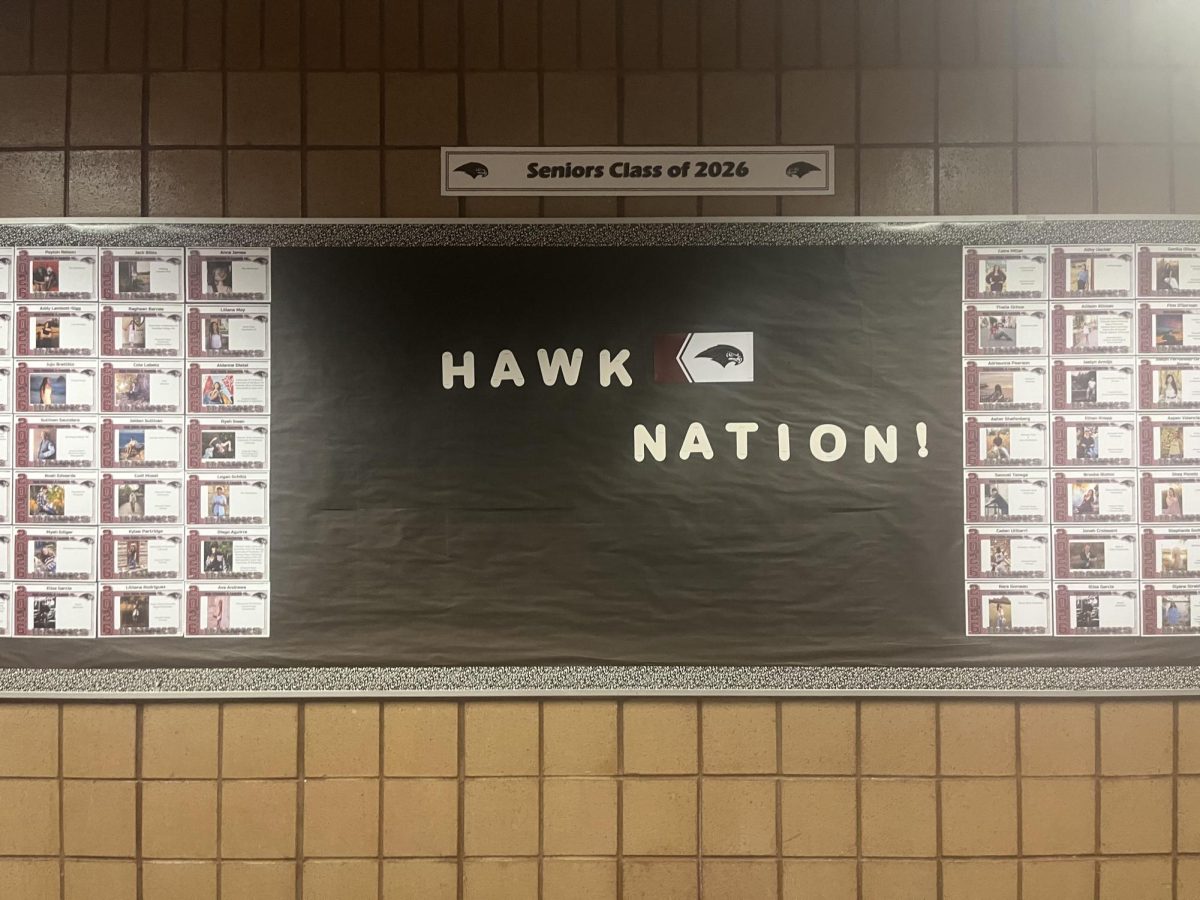
Senior year hits like a plot twist you saw coming but weren’t ready for. Everywhere, someone asks the same loaded question: “So… what’s next?” College applications, job interviews, military recruiters, and gap year dreams all collide, expecting 18-year-olds to map out the rest of their lives.
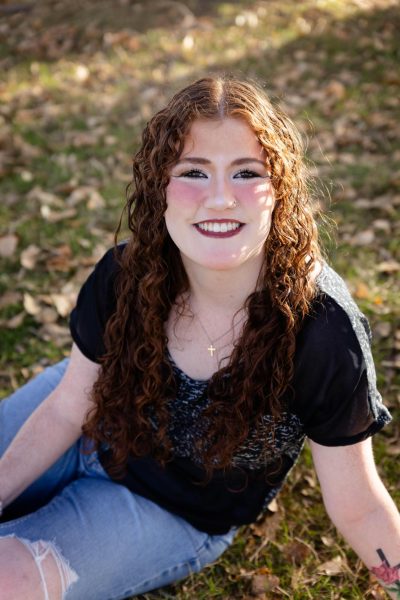
Among the seniors preparing for life beyond Horizon, Rahjae Marshall, Mackenzie Castle, and Maya Stockey all share one path in common: each is choosing the four-year college pathway. Their reasons vary, but all three point to a mix of academic experience, personal growth, and individual support that shaped their sense of readiness.
For Marshall, preparation came from both academics and personal growth. “School has helped me in what I need to be prepared for, for the future,” she explained. “Not only just academically, but in the environment and social aspect.” In particular, she credits Ms. Kathan for her personal growth, “She was my 9th-grade core teacher for government and economics, and now my senior year psychology teacher. She became my bestest friend since I was 14, and has shown me what I need to be successful in life.”
Castle credits Horizon with providing the foundational support she needed. She says, “I feel like, yes, the school did prepare me because they help make sure you get the correct credits and they give a lot of help with FAFSA and stuff.” When asked about how supportive Horizon is for all pathways, she says, “I think they do offer support to all pathways, but I think they offer a bit more for traditional colleges, but I think Future Forward offers a lot for workforce readiness.”
For Stockey, now preparing for college and eventually law school, both her counselor and her classes shaped her sense of readiness. She says, “The school did prepare me for my future because my counselor is very helpful and my classes have helped me see what I’m truly interested in doing after high school.” One course stood out above the rest for her, and that was AP Lang with Ms. Schafer. Stockey says it strengthened her argumentative skills and her ability to analyze texts.
For 2025 Horizon graduate Zoe Snider, who enlisted in the Air Force, preparation looked completely different. Snider says, “I am not using any of the skills that I feel like I learned in school for my current ASFC in the Air Force, which is security forces.” Still, Snider says Ms. Funk helped to shape her confidence. “She was real. She told you things straight up and didn’t baby us. She was also very funny and like a friend.”
Despite choosing different futures, the message these four students share is unmistakable: the transition after high school requires curiosity, involvement, and patience. Marshall hopes the underclassmen will embrace every moment, saying, “These four years you never get back in life, and to make the best out of it… start to be involved. I promise you will meet some lifelong friends and take on a new experience.”
Castle encourages them to “start the process early… and don’t procrastinate anything.”
Stockey reminds them that “they have time to decide what they want to do… it’s important not to stress too much.”
And Snider’s advice cuts straight to the heart of adulthood: “Show respect before you expect it… be curious and kind.”
When asked how the Horizon counseling team supports students with all their wildly different post-high-school dreams, a Horizon counselor, Michael Muedeking says, “We have a large department, so we all have slightly different ways of advising students, but we all try to stress finding what is right for each student in regard to their future pathway.” When he looks at the senior class each year, he sees two major hurdles they have to overcome each year. He says, “I think the two most common challenges seniors face are trying to decide what they want to do after graduation and figuring out how to finance it.” And if he could create one brand-new program? He says, “I would develop a program that had students each year shadow a career or do different activities that required them to physically go out and experience different careers so they could have a better idea of not only what is all out there, but also what it takes to make yourself a candidate for the different careers that exist now.”
Senior year challenges every student differently, from deciding what’s next to navigating deadlines and expectations. Guidance, personal growth, and involvement make a difference. Teachers who challenge, counselors who support, and students who stay curious and engaged create the tools for success. No path is the same, yet the message is clear: embrace the process, explore opportunities, and take each step with patience, confidence, and curiosity.